Radon System Repair: Signs Your System Needs Attention
For homeowners in Kansas City, Shawnee, Olathe, and the surrounding communities, a radon mitigation system is one of the most important investments you can make in your home. But these systems don't run flawlessly forever. Components wear down, fans weaken, and performance can decline gradually without any obvious warning signs. Knowing when your system needs radon system repair is just as critical as having the system installed in the first place.
How Long Do Radon Mitigation Systems Last Before Needing Repair?
Most radon mitigation systems are designed to last between 10 and 15 years, but that doesn't mean every component holds up without attention for that entire stretch. The fan is typically the first part to show wear, with many models needing replacement somewhere between the 5 and 10 year mark depending on usage and environmental conditions.
Here in Kansas City and the surrounding area, including Shawnee, Olathe, and nearby communities, homes sit in EPA Radon Zone 1, a designation that reflects naturally higher radon potential. That means local systems often run harder and longer than those in lower-risk regions, which can shorten the window before radon system repair becomes necessary.
Even a system that appears to be functioning adequately may have degraded seals, aging pipe connections, or a fan that's slowly losing suction. Catching these issues early through routine inspection is far less costly than waiting for outright system failure. Staying ahead of repairs protects both your investment and your home's long-term air quality.
How Do I Know If My Radon Mitigation System Is Still Working?
There are a few reliable indicators that your radon mitigation system is actively doing its job. If any of the following signs are absent or abnormal, scheduling a professional radon system repair evaluation is the right next step.
- The manometer shows uneven fluid levels. The U-tube gauge attached to your system's pipe should always show one side higher than the other, confirming the fan is actively drawing air from beneath your home. If the fluid levels are even on both sides, the system may have stopped working entirely.
- Radon test results remain below 4 pCi/L. Annual testing is the most direct way to confirm your system is performing. Elevated readings are a clear signal that radon mitigation intervention or repair is needed without delay.
- The fan produces a steady, consistent hum. You should be able to hear a faint, even hum near the pipe. Complete silence or irregular sounds are signs that the fan may need professional attention.
What Does It Mean If My Radon Fan Is Making Strange Noises?
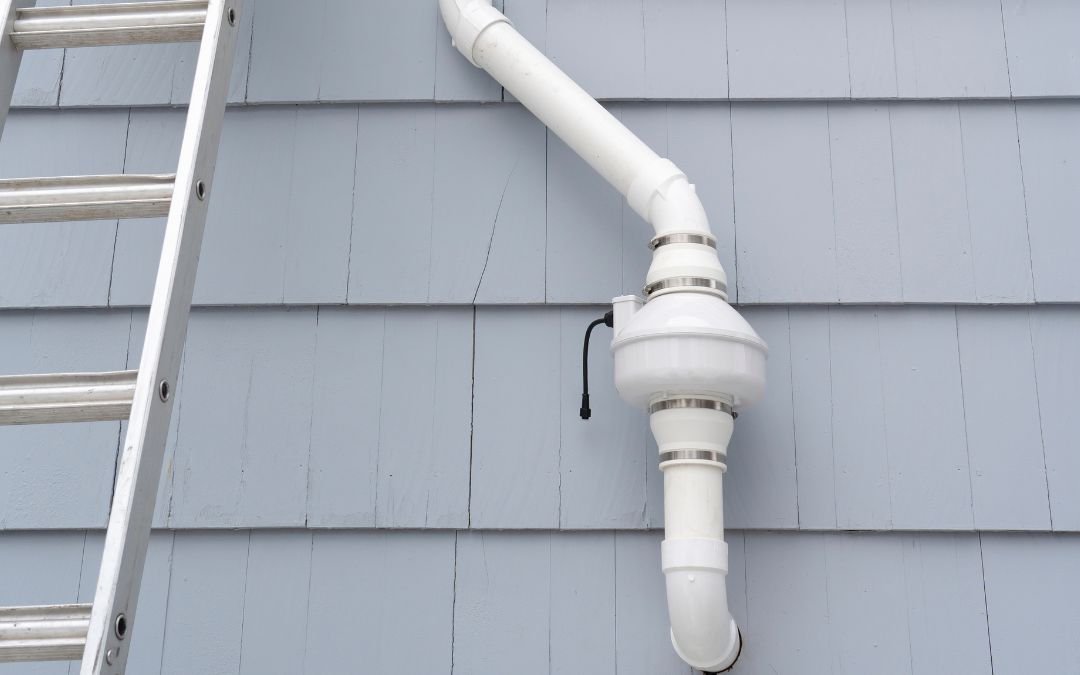
A properly functioning radon fan runs quietly in the background, and most homeowners barely notice it's there. If yours has started producing rattling, grinding, squealing, or high-pitched whining sounds, that's a clear signal that radon system repair may be on the horizon.
Rattling often points to debris or loose hardware near the fan housing. Grinding is a more serious sign, typically indicating that the motor's internal bearings are breaking down. Left unaddressed, a grinding fan will eventually fail entirely, leaving your home without active radon mitigation protection.
A high-pitched squeal or whine usually means the motor is straining, possibly due to restricted airflow, internal wear, or moisture-related damage. In Shawnee, Olathe, Kansas City, and the surrounding area, seasonal humidity can accelerate corrosion inside the fan assembly over time, making this a particularly relevant concern for local homeowners.
Some minor noise during temperature swings or initial system startup is considered normal. But persistent or suddenly changed sounds should be evaluated promptly by a certified radon professional before a full system breakdown occurs.
Why Are My Radon Levels High Even With a Mitigation System Installed?
Finding elevated radon levels in a home that already has a mitigation system can be frustrating and genuinely alarming. Radon exposure is the second leading cause of lung cancer in the United States, making a high reading a serious health concern and not just a technical inconvenience. Several factors could explain why your system is underperforming.
- The fan has failed or weakened. A worn-out or underperforming fan simply can't move enough air to bring radon levels down. Fan replacement is one of the most common radon system repair needs for homeowners across the Kansas City area.
- New foundation cracks have developed. As homes settle over time, fresh entry points for radon can form in the slab or foundation walls. A system originally sized for the home may no longer be adequate given the new infiltration points.
- The system design isn't suited to your home. Some original installations don't fully account for a home's specific sub-slab conditions. A certified technician can assess whether the current radon mitigation configuration needs to be adjusted or expanded.
- Pipes or seals have become compromised. Disconnected joints or cracked pipe sections break the system's suction, allowing radon to bypass mitigation entirely and accumulate indoors.
How Often Should a Radon System Be Serviced?
Routine maintenance is one of the most overlooked aspects of radon mitigation system ownership. Homeowners in Kansas City, Shawnee, Olathe, and nearby communities should treat their radon system the same way they treat HVAC upkeep, with a consistent and scheduled approach.
- Test radon levels annually. An annual radon test is the most direct way to confirm your system is working as intended. In EPA Radon Zone 1, where the Kansas City region sits, regular testing carries real and meaningful weight for your household's wellbeing.
- Have the fan professionally inspected every two to three years. Even a fan that sounds fine may be quietly losing suction or showing early signs of motor wear. A certified technician can catch those issues before they escalate into more extensive radon system repair work.
- Check the manometer seasonally. Temperature and pressure shifts throughout the year can affect overall system performance. A quick visual check each season is a simple habit that can surface changes before they become larger problems.
- Schedule a full system review after any major renovation. Basement finishing, foundation work, or home additions can change how radon enters your home, making a post-renovation evaluation essential for continued radon mitigation effectiveness.
Don't Wait for a Problem to Get Worse
If anything in this guide sounds familiar, whether that's unusual fan noises, elevated radon test results, or a system that's been running for years without a professional inspection, now is the right time to act. Certified Radon Kansas City serves homeowners across Kansas City, Shawnee, Olathe, and the surrounding communities with professional radon system repair and ongoing radon mitigation services. Reach out to our team today to schedule an inspection and make sure your system is working exactly the way it should be.