Kansas City’s #1 Choice
Residential Radon Mitigation for the Kansas City Area
Breathe easier with Certified Radon's residential radon mitigation services in Lee's Summit, Independence, Olathe, Blue Springs, Shawnee, Lenexa, and beyond. We help reduce your family's exposure to radon, minimizing health risks and ensuring cleaner air.
-
30,000+ Systems Installed
-
Custom Designs
-
90% of our systems reduce levels to 2.0 pCi/L or lower
What's the Radon Mitigation Installation Process Like?
Investing in radon mitigation is not just about addressing an immediate problem - it's about protecting your home and the health of your loved ones. Our professional team leverages decades of experience to test, design, and implement a radon system tailored to your property. For added peace of mind, every technician includes their certification number on the system as a mark of quality assurance. You can expect reliable results with direct benefits to your home:
-
Low-Level Guarantee
-
Custom Designed for Your Home
-
Professional Grade Materials
-
Transferrable Warranties
-
NRPP Certified Technicians
-
Meets or Exceeds State Regulations
-
Premium Craftsmanship
-
Free Estimates
-
Fast & Flexible Scheduling
While we almost always guarantee our systems will bring your levels to 4.0pCi/L over 90% of our systems reduce levels to 2.0 pCi/L or lower.

Radon Mitigation Services
Exterior
System
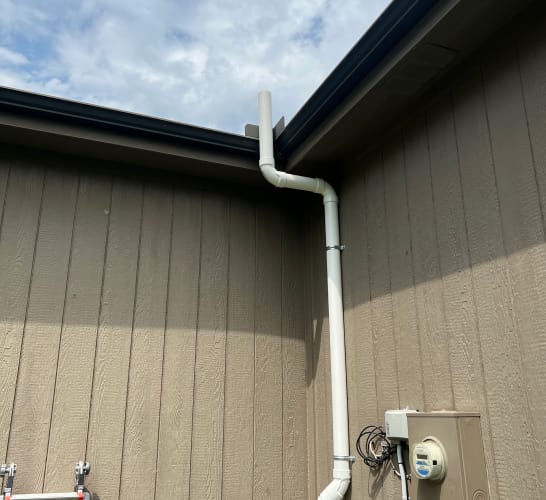
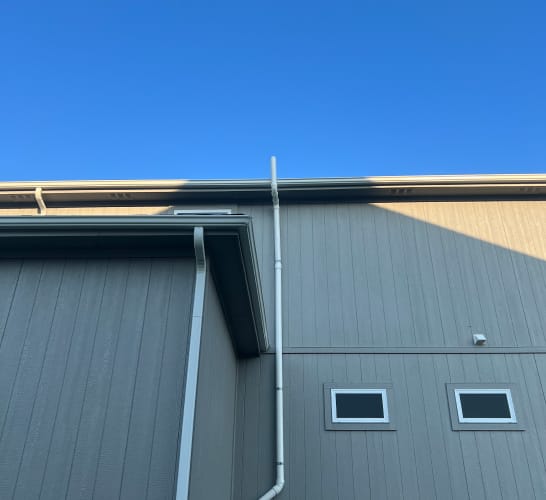
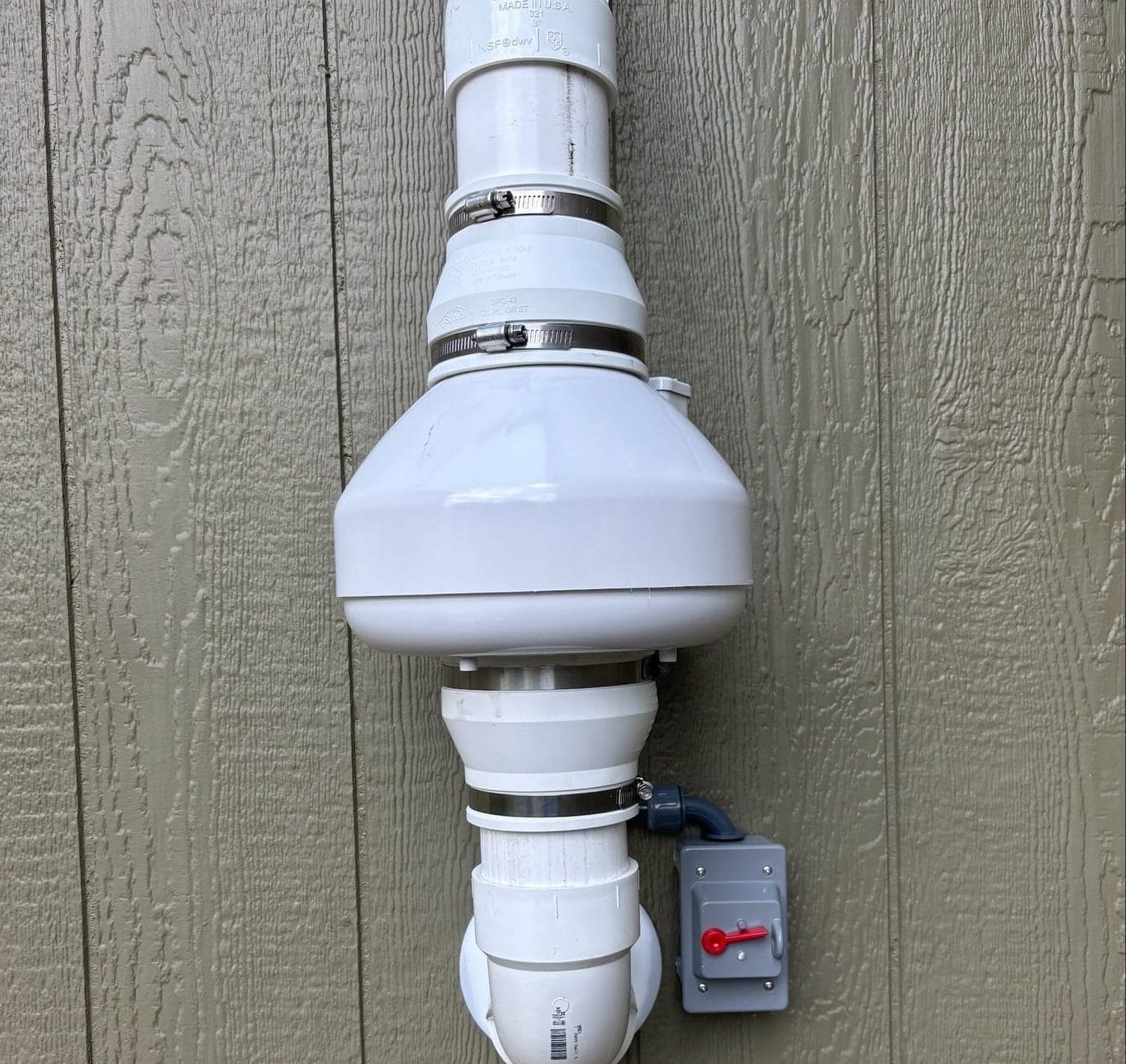
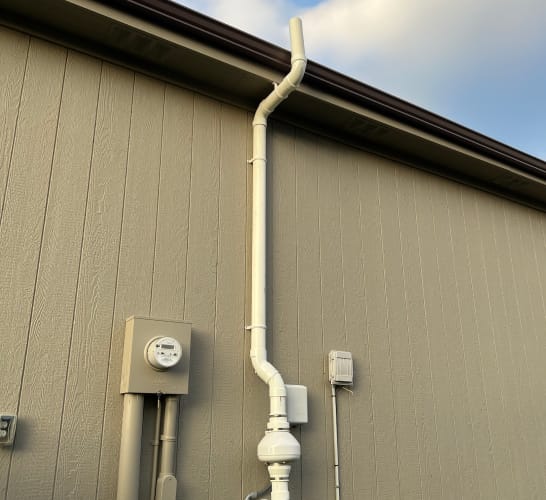
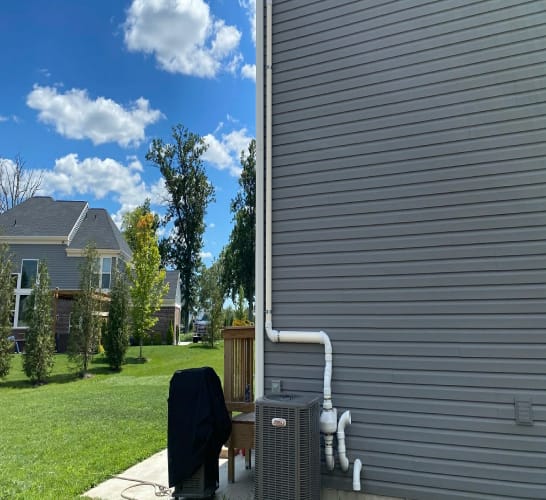
Our mitigation exterior system offers a minimally invasive option to reduce radon, allowing clients to ensure safety without disrupting their indoor living spaces.
Internal
System
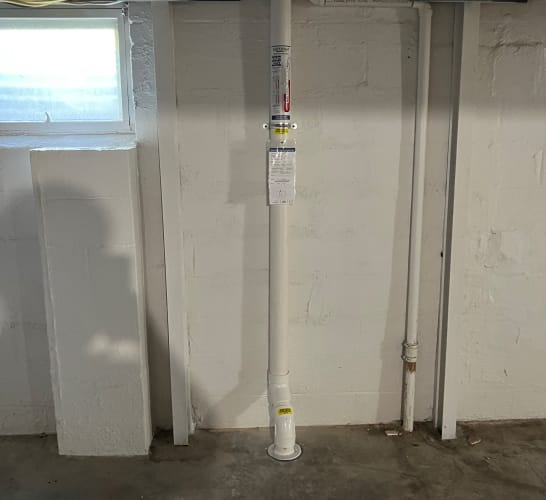
The mitigation interior system provides a discreet option for clients to reduce radon, offering effective mitigation while remaining concealed indoors.
Crawl Space
Encapsulation
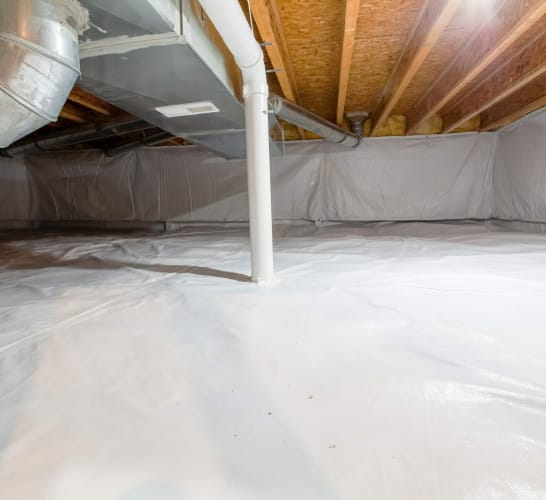
We provide clients with the benefit of creating a moisture-resistant barrier that enhances indoor air quality and prevents structural issues.
Activation of
Passive Lines
Our passive radon systems can be customized to activate by installing a dedicated radon-specific, in-line fan, effectively mitigating radon levels for a healthier indoor environment.
Frequently Asked Questions About Residential Radon Mitigation
What causes radon in the home?
Radon is a natural radioactive gas that forms when uranium in soil and rock breaks down. Because it's a gas, it moves up through the ground and slips into your home through cracks in the foundation, floor-wall joints, sump pits, gaps around pipes, and the soil in crawl spaces. Houses tend to pull air from the ground beneath them, especially when it's cold outside or the air pressure drops during storms, so radon can build up indoors even though it disperses quickly outside. You can't see, smell, or taste it. Every home has some radon, new or old, with or without a basement. The Kansas City area sits in EPA Radon Zone 1, the highest-potential zone, so the only way to know your level is to test.
How does a radon mitigation system work?
Most homes use a method called sub-slab depressurization. A technician drills a small hole through the basement floor or slab, removes a little soil to create a suction pit, and connects a PVC pipe. A radon fan on that pipe runs around the clock, creating gentle suction under the foundation. That pulls radon out of the soil before it can get inside and vents it safely above the roofline, where it quickly dilutes into the outdoor air. Major cracks and openings are usually sealed so the system works more efficiently. A manometer, a small U-shaped gauge on the pipe, shows that the fan is creating suction. Depending on your home, the pipe can be routed inside through a closet and attic or up the outside wall.
What radon level means I need mitigation?
The EPA recommends fixing your home if a test shows radon at or above 4.0 picocuries per liter (pCi/L). That's the EPA's action level. The EPA also suggests considering mitigation if your level falls between 2.0 and 4.0 pCi/L, because there is no known safe level of radon and lower is always better. For reference, the average level in outdoor air is about 0.4 pCi/L. If your result is close to the action level, a second test or a long-term test can help confirm what your family is breathing over time. If you're buying or selling a home, a short-term test is common, and a result at or above 4.0 pCi/L is a strong signal to have a system installed.
Does radon mitigation work with basements, slabs, and crawl spaces?
Yes. A mitigation system can be designed for just about any foundation, and many homes have more than one type. In a basement or a slab-on-grade home, the suction point goes through the concrete floor, and the fan draws radon from the soil underneath. In a crawl space, a heavy plastic vapor barrier is laid over the dirt and sealed to the walls, and the system pulls radon from beneath that barrier. This is called sub-membrane depressurization. Homes that combine a basement with a crawl space or slab addition may need a suction point in each area. A good installer looks at how your home is built before recommending a design, which is why Certified Radon custom designs each system rather than using one template for every house.
How long does a radon mitigation system installation take?
Most installations are finished in a single visit. Certified Radon's installation process notes that a typical install takes between 2 and 5 hours, depending on the size and layout of your home and whether the pipe runs inside or outside. Exterior systems are often quicker because the pipe runs up the outside wall, while interior systems may take longer to route through closets and the attic. You don't need to leave home while the work is done. Every technician puts their certification number on the system. After the install, a radon test is set up to confirm the system is working, and a team member performs a quality check when the test is picked up.
How often will I have to pay attention to my radon mitigation system?
Not often. A properly installed system is mostly set-it-and-forget-it. The fan runs all the time, and there's no filter to change. The one habit worth building is a quick look at the manometer, the U-shaped gauge on the pipe, about once a month and after major storms. The liquid should sit higher on one side than the other. If both sides are level, the fan may not be running. Check that the service switch next to the fan is on and that the gauge's small hose is still connected to the pipe, then call for service if that doesn't fix it. Also listen for new rattling or loud noises from the fan. Beyond that, periodic radon testing is the only way to confirm your levels stay low.
How long does a radon fan last?
Radon fans are built to run nonstop, but like anything mechanical, they eventually wear out. The average lifespan of a radon fan is about 7 to 12 years, and some last longer or shorter depending on the model, how hard it has to work, and where it's mounted. Signs that a fan is nearing the end include a manometer reading that has dropped to level, a fan that has gotten noticeably louder, or a follow-up radon test that comes back higher than before. Replacing a fan is a fairly quick service visit, since the pipe and suction point usually stay in place. Certified Radon's mitigation systems also come with a 5-year transferable warranty, which stays with the home if you sell it.
Should I test for radon again after my system is installed?
Yes. A post-mitigation test is the only way to know the system did its job. Industry standards call for a short-term test after the system has been running for at least 24 hours, and within the first 30 days. Certified Radon sets up a radon test after every installation and performs a quality check on the system when the test is picked up. After that, the EPA recommends testing at least every two years to make sure levels stay low. It's also smart to retest after major renovations, such as finishing a basement or adding onto the house, and anytime the manometer reading changes. If you sell your home, a recent test result also gives buyers confidence.
How soon can a contractor come out for an estimate?
Usually soon. Certified Radon typically schedules an estimate within one to two weeks of your first call or online request, and many estimates don't require a visit at all. The design and estimate can often be completed over the phone with an online assessment, using details about your home and your radon test results. If your home needs a closer look, for example because it has several foundation types or a finished basement, an on-site estimate can be scheduled instead. Since much of the Kansas City metro has elevated radon potential, we know you'll want to move quickly once you have a high test result, and our scheduling team works to fit your timeline.
Do you offer free on-site estimates?
Yes. Certified Radon offers free estimates, and on-site visits are available when a home needs one. Every house is built differently, so seeing the property in person helps us check the foundation type, look for the best place for the suction point, and plan where the pipe and fan should go. During the visit, we'll review your radon test results, explain which system design makes sense for your home, and answer your questions about the installation. Our technicians are NRPP certified, so you'll be talking with someone trained in radon measurement and mitigation standards. You'll walk away with a clear recommendation and a good understanding of the next steps before any work begins.
Contact Us
Our customer service team is ready and waiting to answer your questions.
Learn How It Works
Use our website as a resource or feel free to contact us. One of our team members will guide you through our mitigation process.
Design & Estimate
This process can be completed over the phone with an on-line assessment. On-site estimates can also be scheduled if needed.
Installation
Once the estimate is approved, a CR team member will schedule and assign a technician to your installation appointment. This install will usually take between 2-5 Hours to be completed.
Post Testing & QA
After the installation is complete, a radon test will be deployed to ensure your mitigation system is working properly. When the test is picked up, a team member will perform a QA check to ensure your radon system is properly installed.
Schedule A Follow Up
The EPA recommends testing at least every 2 years after a mitigation system has been installed.
Partner with us for all your radon needs
Who We Serve
Our team of experts provides solutions for home owners, builders, real estate transactions, property managers and environmental agencies. By utilizing our services, you can have peace of mind knowing that the air you breathe is free from harmful radon gas.


What to Look For
Choosing a Qualified Radon Professional
Certified Radon is your go-to radon expert, with a proven track record of successfully remediating nearly 30,000 homes. When it comes to the air you and your family breathe, trust the experts who are state and nationally certified at every level—from office staff to technicians. Choose Certified Radon for unmatched expertise and a commitment to your home's safety.
-
Locally Owned for 15+ Years
Our Certified Radon technicians are professionally trained and certified. Locally owned with Kansas City roots, we are committed to safe homes in our community.
-
5-Year Transferrable Warranty
Enjoy peace of mind with our 5-year transferrable warranty on all radon mitigation systems—protection that stays with your home.
-
On-Time. Every Time.
Our Certified Radon technicians are committed to being on time, every time. We guarantee a precise 30-minute window and punctual service you can count on.
What Our Customers Say About Our Radon Services
Installer was professional and courteous. Arrived quickly. Did an excellent job. 100%. Great product and service at a reasonable price.

Very prompt. We were at 3.99 level before the system was installed, now we are down to 1.6. Price was very good!
The scheduling process was easy and the installation was quick and the system is quiet. He did a great job answering my questions.
I had a long-term reading of 19.75 pCi/L. After the install, it now reads an average of 2.8 pCi/L! Thank you guys so much!
Luke did quick and beautiful work. The finished product is clean and pleasing to the eye. Very professional and punctual.
We had a great experience with Certified Radon. All were friendly and responsive. Great service and team! Highly recommend!
Select from the cities below
Service Area

Industry Affiliations & Certifications

Select from the cities below
Check Radon Levels in Your City
Take action for a safer home today!
Contact Certified Radon for your free estimate and let Kansas City’s leading experts safeguard your space from radon risks.
Need help with commercial radon mitigation? We offer that too.